
How the DAPI Certification Process Works
DAPI is not an automated service.
It is a structured certification process designed to generate verifiable digital proof while minimizing data exposure.
Secure File Submission
- Valid identity document
- Front-facing facial photo
- Voice audio file
- Short verification video
Certification Preparation
- Cryptographic hash generation
- Qualified timestamping
- Integrity verification
- Identity consistency assessment
Certified Delivery
- A single official DAPI certificate (PDF)
- Hashes of all certified files
- Timestamp reference
- Technical and legal explanation
- Usage guidance
Why DAPI Is Different
DAPI was created to address a growing problem: the misuse of personal identity data in an era of AI-generated content and synthetic media , impersonation and deepfakes.
Unlike automated platforms, DAPI follows a controlled, manual and legally-oriented certification process designed to minimize data exposure and maximize evidentiary value.
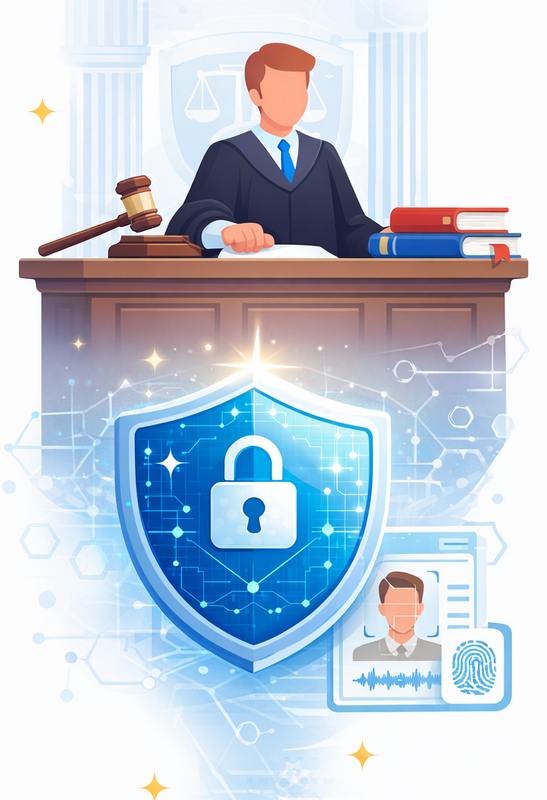
Designed for Legal and Defensive Use
THE DEEPFAKE CRISIS: WHY YOU NEED DAPI NOW
Digital identity theft isn’t a future threat—
it’s happening now at an unprecedented scale.
When deepfakes strike, proving the REAL you is nearly
impossible without pre-existing certified evidence.
DAPI creates that proof before you need it
Who Should Use DAPI
DAPI is designed for individuals and professionals exposed to identity misuse risks.
ESSENTIAL Questions
No. DAPI does not store biometric data, does not retain certified files and does not create searchable or public profiles.
No. Your biometric files are permanently deleted within 48 hours.
Email communications containing your files are deleted from
servers within 30 days.
We retain ONLY cryptographic hashes (which cannot be used to
reconstruct your original files), qualified timestamps,
and basic metadata.
No. DAPI is a manual, controlled certification process.
Yes. The delivered documentation is designed for legal and defensive use.
Yes. DAPI provides proof of anteriority and identity consistency.
No. The certification is private and non-public.